Toyota Wreckers Adelaide
- Licensed Vehicle Recycler
- Professional Toyota Dismantling
- Inspected Recycled Parts
Sell an unwanted Toyota, arrange professional dismantling, or enquire about inspected recycled components through a licensed South Australian vehicle recycler.
Get a Free QuoteToyota Wrecking For Damaged And Unwanted Vehicles
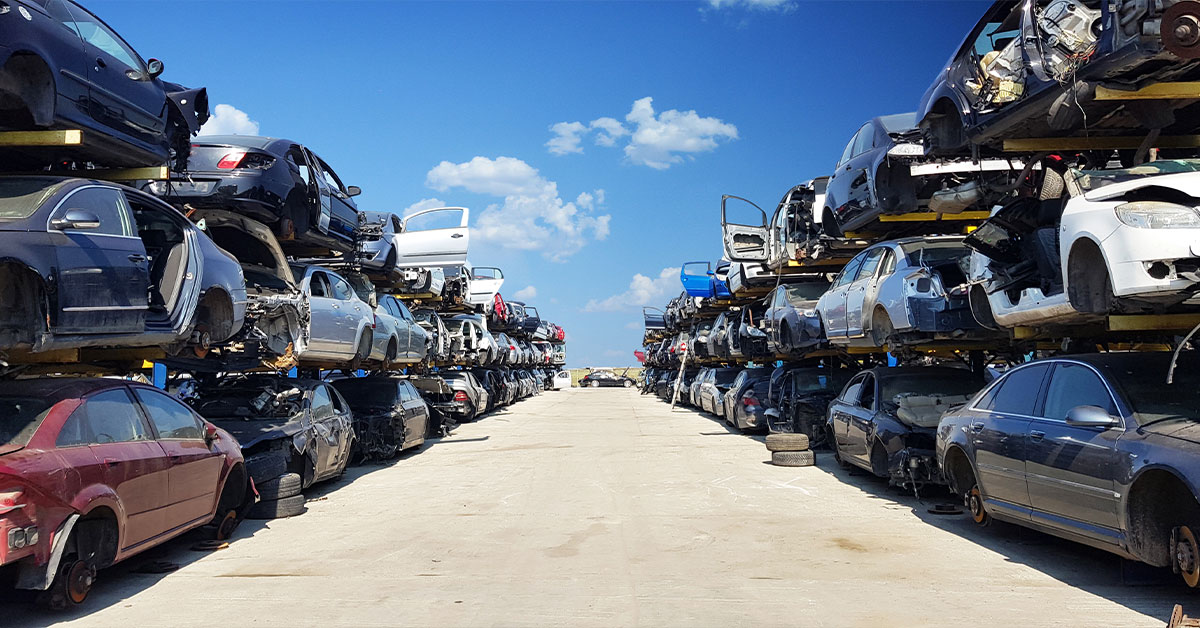
Burton Wreckers is a licensed South Australian vehicle recycler that dismantles damaged, unwanted, non-running, and end-of-life Toyota vehicles. Suitable vehicles are assessed for reusable parts before remaining materials are responsibly recycled.
Whether you want to sell an unwanted Toyota or source quality used Toyota auto parts, our team provides a practical, professional solution supported by transparent service and experienced vehicle dismantling.
Toyota Vehicles We Accept
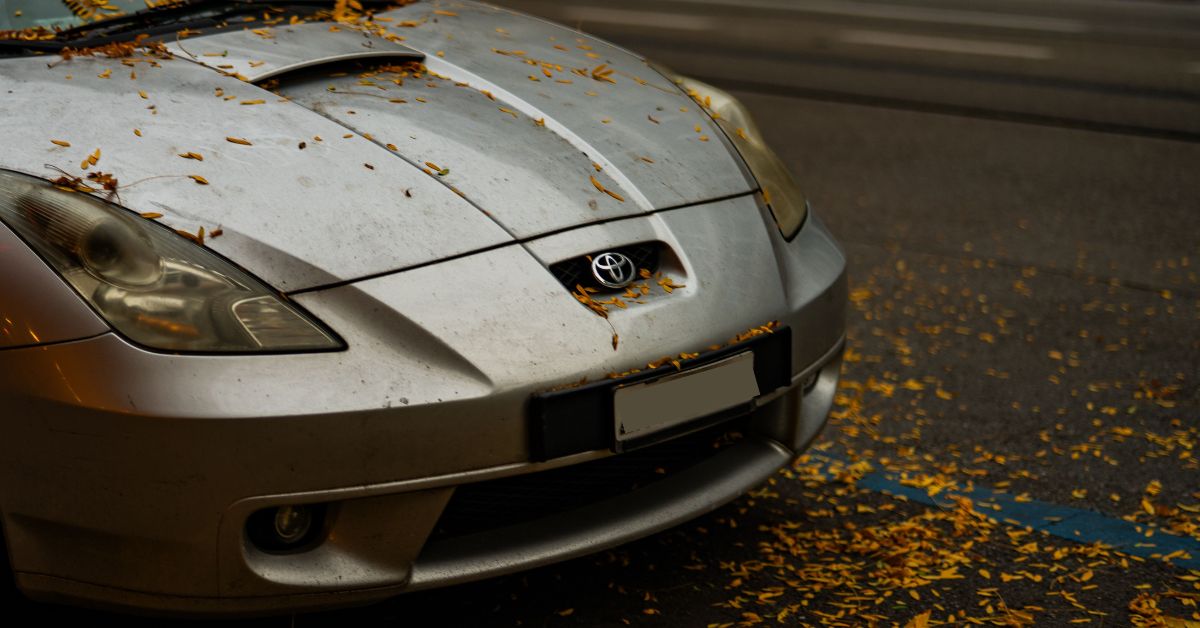
A Toyota does not need to be running or registered to be considered for wrecking. Acceptance depends on its condition, location, completeness, access, and recoverable value.
Common vehicle situations include:
- Accident-damaged Toyotas
- Vehicles with failed engines or transmissions
- Non-running or long-term stored vehicles
- Written-off vehicles
- Unregistered Toyotas
- Older vehicles that are no longer economical to repair
- Incomplete vehicles with usable components
- Unwanted vehicles occupying residential, workshop, or commercial space
For an accurate assessment, provide the model, year, condition, collection suburb, and details of any missing parts or major damage.
Toyota Models Commonly Dismantled
Enquiries commonly relate to Toyota passenger vehicles, commercial vehicles, hybrids, utilities, and four-wheel drives, including:
- Corolla
- Camry
- Yaris
- Aurion
- RAV4
- Kluger
- Prado
- LandCruiser
- Hilux
- HiAce
- Tarago
- Prius
- C-HR
- Toyota 86
Availability changes as vehicles enter the yard. Model names alone may not confirm compatibility, so production year, engine type, transmission, body style, and part numbers can be important.
Used Toyota Auto Parts Recovered Through Dismantling
Professional dismantling keeps suitable Toyota components in use while reducing unnecessary waste. Parts are removed carefully, assessed, and prepared for reuse where their condition allows.
Recovered components may include:
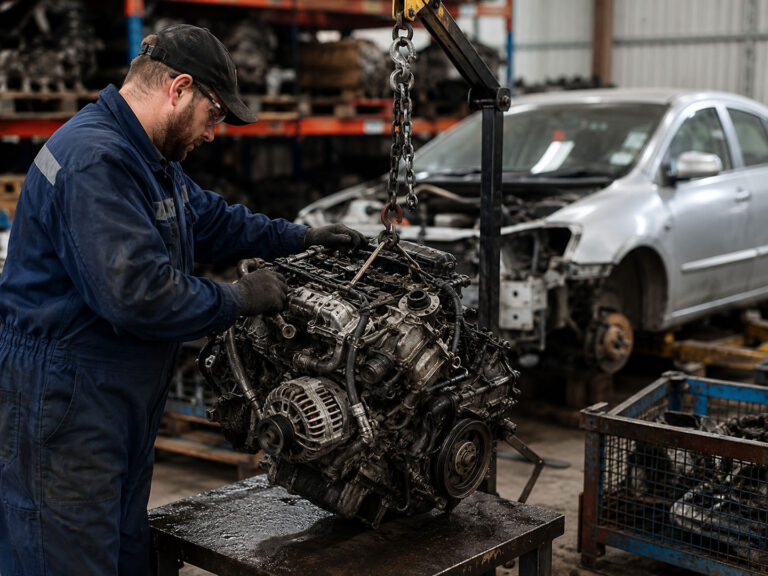
- Engines and engine components
- Manual and automatic transmissions
- Alternators and starter motors
- Steering and suspension components
- Doors, bonnets, guards, and tailgates
- Headlights, tail lights, and mirrors
- Interior trim, consoles, and seating
- Wheels and selected braking components
- Electrical modules, switches, and sensors
- Radiators and cooling system components
Stock depends on the vehicles currently being dismantled.
Details That Improve A Toyota Parts Enquiry
Toyota components can differ across model updates, engine options, trim levels, and production years. Useful enquiry details include:
- Model and production year
- Body style
- Engine size or engine code
- Manual or automatic transmission
- Required component
- Part number, where available
- Vehicle identification details, where relevant
- A clear photo of the original part
These details help identify differences in connectors, mounting points, dimensions, and control systems before a part is supplied.
When Toyota Dismantling Is The Practical Option
A Toyota may no longer be worth repairing even though many components remain useful. Wrecking allows those parts and materials to be assessed separately from the vehicle’s roadgoing value.
Major Mechanical Failure
Engine, transmission, cooling, or electrical faults can make repairs uneconomical. Other assemblies, panels, interior components, and running gear may still be suitable for recovery.
Accident Damage
Collision damage may affect one area while leaving other sections intact. Controlled dismantling separates reusable components from damaged material.
Registration Or Roadworthiness Issues
A Toyota requiring extensive work before registration may no longer suit continued ownership. Dismantling can provide a practical disposal pathway without relying on a private buyer.
Long-Term Storage
Unused vehicles can develop seized components, fluid leaks, battery damage, weather exposure, and interior deterioration. Removal also clears space on residential, workshop, or commercial properties.
Limited Private-Sale Value
Damaged, incomplete, or non-running Toyotas can be difficult to sell privately. Toyota car wreckers assess recoverable parts and recyclable materials rather than presentation or roadworthiness alone.
How Toyota Vehicles Are Dismantled
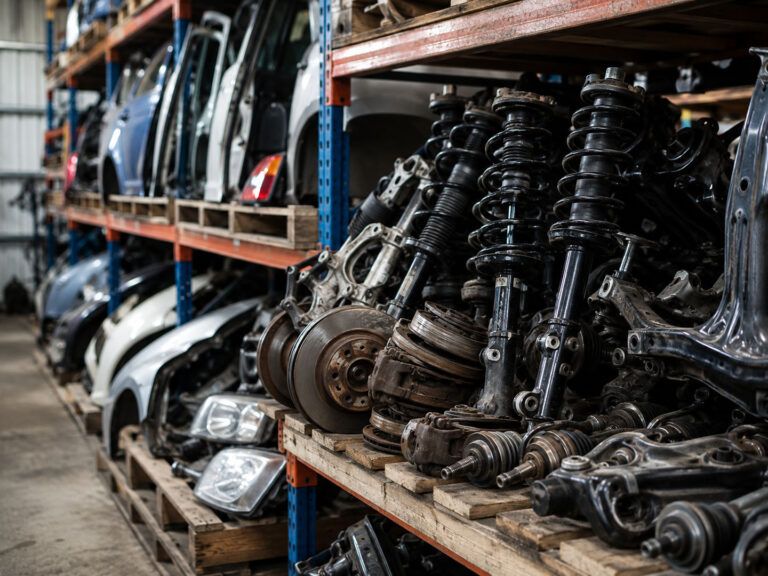
Toyota dismantling follows a structured sequence of assessment, fluid management, component recovery, inspection, and material separation.
Vehicle Identification And Assessment
The vehicle is identified by model, year, configuration, condition, and available components. This helps determine which parts justify inspection and removal.
Controlled Fluid Removal
Fuel, oils, coolant, and other fluids are managed before broader dismantling begins. This reduces leakage risk and supports safer processing.
Component Recovery
Mechanical, electrical, body, and interior parts are removed according to condition and likely suitability. Careful removal helps prevent avoidable damage.
Parts Assessment
Recovered components are checked according to part type and visible condition before being made available. Some parts require more detailed identification or testing than others.
Material Separation
After reusable parts are removed, remaining metals and recyclable materials are separated for further processing. Non-reusable material is directed through the appropriate disposal pathway.
How A Toyota Wrecker Assesses A Vehicle
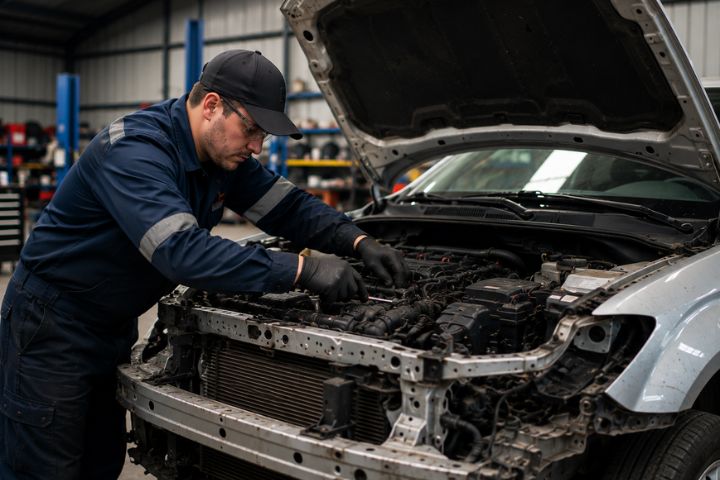
Toyota dismantlers consider more than whether a vehicle starts or presents well. The complete vehicle is assessed for parts recovery, material value, access, and processing requirements.
Relevant factors may include:
- Model and year
- Engine and transmission condition
- Location and severity of damage
- Vehicle completeness
- Demand for recoverable components
- Missing wheels, panels, or mechanical parts
- Fire, flood, or corrosion damage
- Collection location and access
- Remaining recyclable material
Accurate information supports a clearer initial assessment. Missing parts, undisclosed damage, or difficult access may affect whether the vehicle matches the original description at collection.
Selling An Unwanted Toyota
Owners preparing to sell an unwanted Toyota should provide practical vehicle details rather than a general description.
Have the following ready:
- Make, model, and year
- Registration status
- Whether the vehicle starts, drives, or rolls
- Known engine, transmission, or electrical faults
- Accident or structural damage
- Missing components
- Collection suburb
- Access conditions
- Current photographs
Detailed pricing and payment information belong within the Cash For Cars process. Collection arrangements are confirmed through the Car Removal service after assessment.

Toyota Wrecking For Private And Trade Customers
Toyota wrecking supports vehicle owners, repairers, and businesses with different requirements.
Private Vehicle Owners
Owners may need to dispose of a damaged, non-running, unregistered, or unwanted Toyota without repairing or advertising it privately.
Mechanics And Workshops
Repair businesses may require cost-conscious replacement components or need customer vehicles assessed after major mechanical failure.
Panel Beaters And Repairers
Repairers may enquire about panels, lighting, mirrors, trim, suspension, or other model-specific components.
Property And Estate Managers
Unwanted vehicles can obstruct access, occupy parking areas, or complicate property clearances. Ownership and vehicle details should be confirmed before collection.
DIY Vehicle Owners
DIY customers may seek used Toyota parts for repairs or restoration work. Compatibility should be checked carefully, especially where production changes exist within the same model line.
Operational Standards That Support Better Outcomes
Choosing Toyota wreckers in Adelaide involves more than finding a yard with the right vehicle. Dismantling quality, accurate identification, communication, and material handling affect both vehicle sellers and parts customers.
Burton Wreckers operates as a licensed South Australian vehicle recycler with integrated vehicle acquisition, dismantling, parts recovery, and recycling capabilities.
Operational standards include:
- Accurate vehicle and component identification
- Professional dismantling practices
- Controlled handling of automotive fluids
- Separation of reusable and recyclable materials
- Inspection of recovered components
- Clear communication about stock and compatibility
- Transparent vehicle condition requirements
- Environmentally responsible processing
This integrated approach allows Toyota vehicles to move through one coordinated system rather than separate purchasing, removal, dismantling, and recycling providers.
Frequently Asked Questions
These frequently asked questions address common enquiries about Toyota vehicle acceptance, dismantling, recycled parts, and the assessment process to help you make an informed decision before contacting Burton Wreckers.
Can I Sell A Toyota That Does Not Run?
Yes. Non-running Toyotas can be assessed. Provide the model, year, fault details, condition, location, and whether the vehicle can roll or be accessed safely.
Do You Accept Accident-Damaged Toyotas?
Accident-damaged vehicles may be suitable for dismantling and recycling. Clear photos and an accurate description of structural or mechanical damage help with the initial assessment.
Can I Sell An Unregistered Toyota?
An unregistered Toyota may still qualify. Ownership and vehicle identification requirements must be confirmed before processing.
Do You Stock Genuine Used Toyota Parts?
Components recovered from Toyota vehicles may include genuine original parts. Availability depends on current stock and confirmed compatibility.
Are Used Toyota Parts Inspected?
Recovered components are assessed before supply. The inspection approach depends on the part type, visible condition, identification requirements, and available testing information.
How Do I Confirm Toyota Part Compatibility?
Provide the model, year, body style, engine details, transmission type, and part number where available. A photo of the original component can also help.
Can You Remove My Unwanted Toyota?
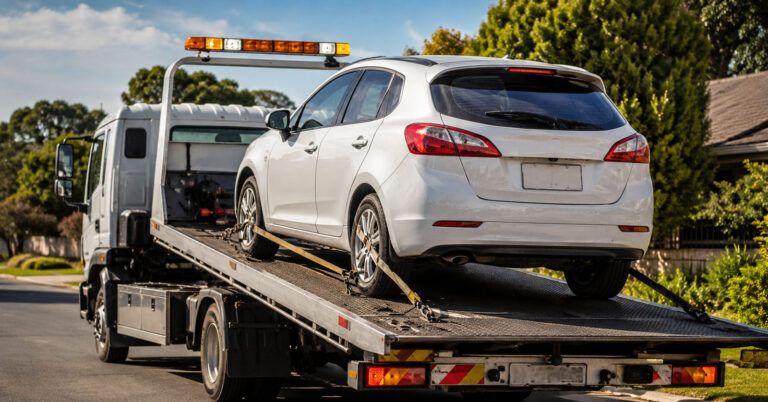
Collection may be available for accepted vehicles within the operational service area. Vehicle location, condition, access, and collection arrangements are confirmed during the enquiry.
Which Areas Do You Service?
Burton Wreckers operates from Burton and services Adelaide and surrounding areas within its operational coverage. Availability depends on vehicle location and access.
Can Workshops Enquire About Toyota Parts?
Yes. Mechanics, workshops, panel beaters, and other trade customers can enquire through the Used Auto Parts service.