Car Recycling Adelaide
- Licensed Vehicle Recycler
- Free Vehicle Collection
- End-To-End Recycling Service
Recycle unwanted, damaged, or end-of-life vehicles through a licensed Adelaide vehicle recycler with collection support and responsible processing.
Get a Free QuoteA Clearer Way To Recycle An Unwanted Car
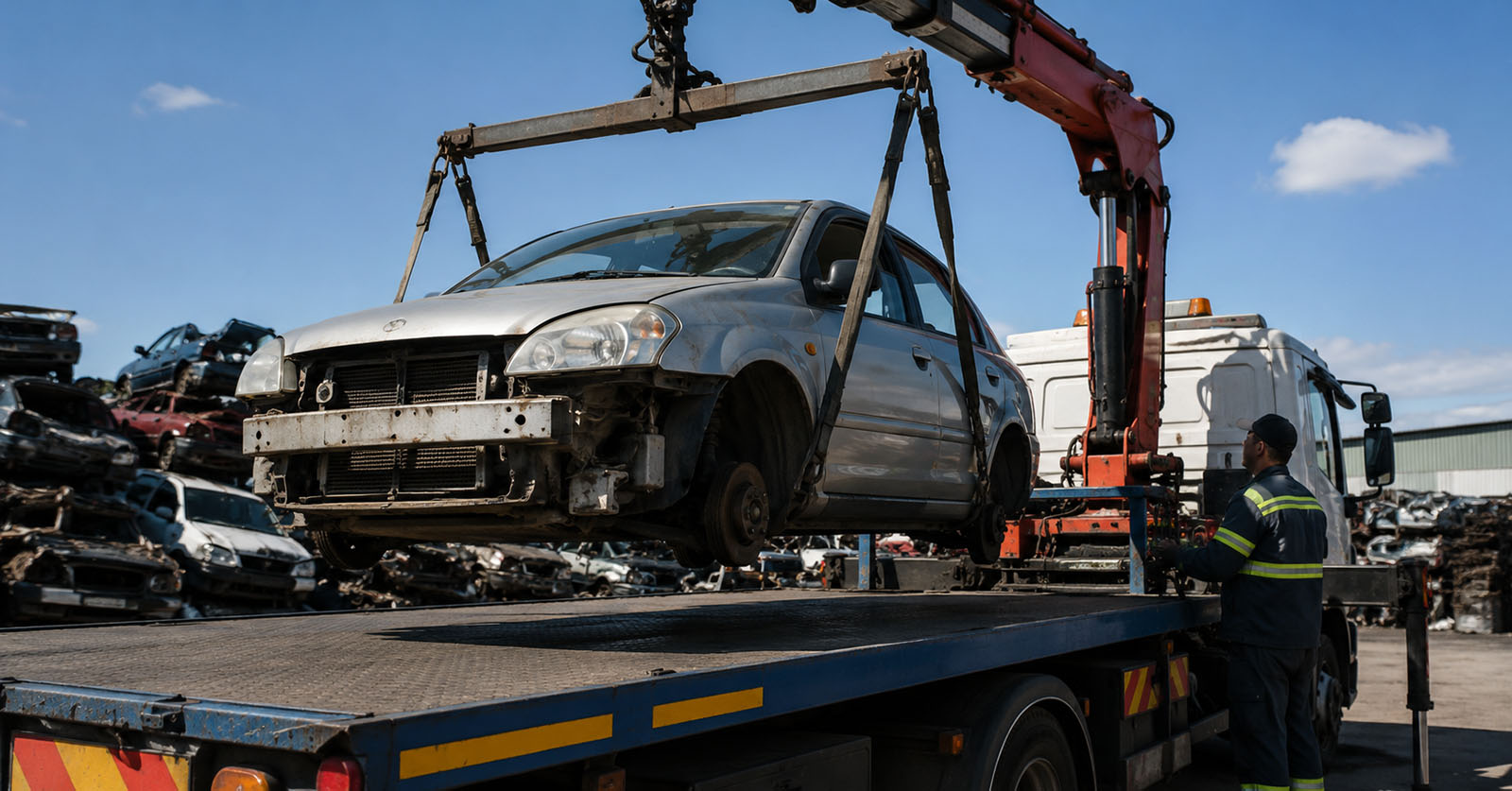
An unwanted vehicle can become difficult to manage once it is no longer safe, reliable, or economical to repair. Burton Wreckers provides car recycling in Adelaide for damaged, non-running, unregistered, and end-of-life vehicles.
Our service combines assessment, collection, dismantling, parts recovery, material separation, and responsible disposal. You receive clear guidance from the first enquiry without coordinating separate towing and recycling providers.
When Car Recycling Is The Practical Choice
Vehicle recycling is often suitable when a car has reached the end of its useful life or no longer has a realistic repair or resale pathway.
Common situations include:
- Major engine, transmission, or electrical failure
- Serious accident or structural damage
- Repair costs that are difficult to justify
- Failed registration or roadworthiness requirements
- Long-term mechanical deterioration
- Unwanted vehicles from estates or property clearances
- Cars that cannot be driven or moved safely
A vehicle does not need to be complete or operational. Its condition, location, accessibility, remaining components, and material value will determine the available options.
Vehicle Recycling For Different Conditions
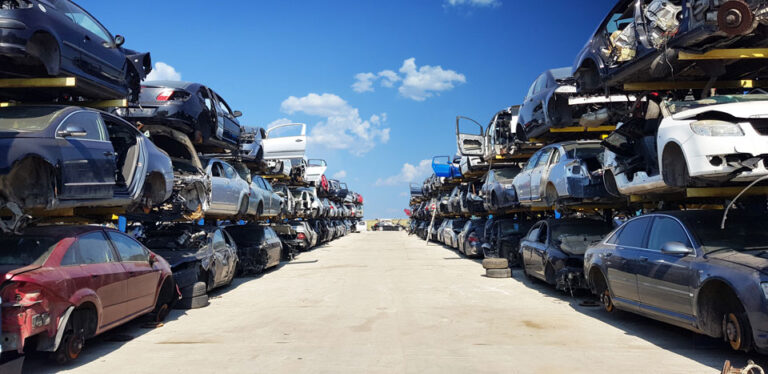
Each vehicle requires an individual assessment because its condition affects collection, dismantling, and processing.
Damaged And Accident-Affected Vehicles
Accident-damaged vehicles may still contain reusable components and recyclable materials. Damage can also affect steering, rolling, lifting, and loading, so accurate details are essential before collection.
Non-Running Vehicles
Cars with engine, transmission, cooling, electrical, or fuel-system failure may be uneconomical to repair. Collection may still be available when the vehicle’s position and access conditions are confirmed in advance.
Old And End-Of-Life Cars
Older vehicles can contain reusable parts, recyclable metals, fluids, tyres, batteries, and materials requiring controlled handling. Professional recycling helps recover useful components before the remaining vehicle is processed.
Unregistered And Unwanted Vehicles
An unregistered vehicle can occupy valuable space and become harder to move as it deteriorates. A coordinated collection and recycling service provides a clear path from assessment to responsible processing.
What Happens To A Recycled Car
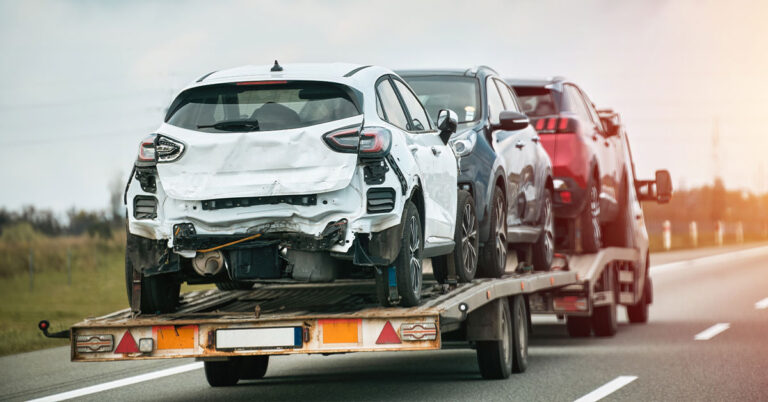
A vehicle contains components and materials that require different handling methods. Responsible recycling separates these streams rather than treating the entire car as undifferentiated scrap.
Depending on the vehicle, processing may include:
- Identifying parts suitable for reuse
- Removing components through professional dismantling
- Separating ferrous and non-ferrous metals
- Managing batteries, tyres, fluids, and hazardous materials
- Sorting recyclable and non-recoverable materials
- Preparing the remaining structure for further processing
Age, damage, contamination, corrosion, and wear affect what can be recovered. Not every component can be reused or recycled, but professional dismantling helps identify viable parts and materials before disposal.
Why A Licensed Vehicle Recycler Matters
Vehicle recycling involves ownership checks, transport, dismantling, fluid management, material recovery, and waste handling. Poor practices can create safety, environmental, and accountability risks.
Using a licensed South Australian vehicle recycler provides greater confidence that your vehicle is entering an established recycling operation. It also gives customers greater clarity about who is collecting the vehicle and how it will be managed after removal.
Licensing supports trust, but reliable service also depends on clear communication, suitable collection planning, professional dismantling, and responsible material handling.
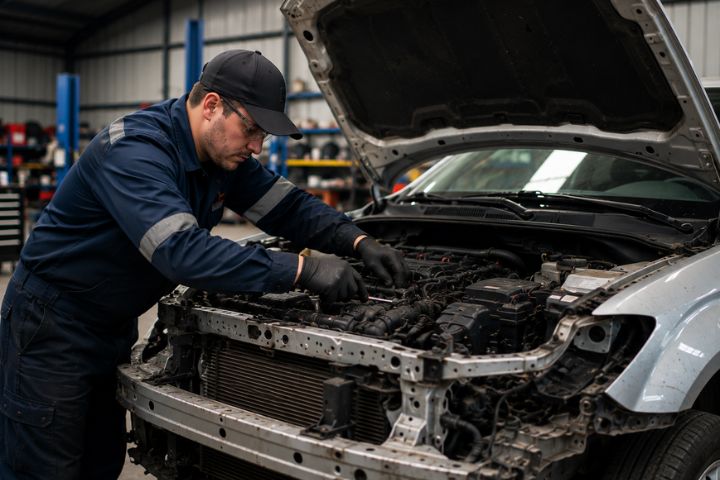
Responsible Vehicle Disposal
Leaving an unwanted car on a property can create practical and environmental problems. Fluids can leak, batteries and tyres can deteriorate, damaged panels can become unsafe, and the vehicle may obstruct access or delay a property clearance.
Responsible vehicle disposal provides a managed alternative. The vehicle is assessed, collected where suitable, dismantled, and directed into reuse, recycling, or disposal streams according to its condition.
Collection Details That Affect The Service
Collection requirements vary between vehicles. Accurate information helps determine whether standard towing access is suitable or additional planning is needed.
Before arranging collection, confirm:
- Whether the vehicle starts
- Whether it rolls and steers
- Whether all wheels are attached
- Whether keys are available
- Whether accident damage affects loading
- Whether the vehicle is in a garage, yard, driveway, car park, or underground area
- Whether gates, low clearance, parked vehicles, soft ground, or narrow access restrict entry
- Whether loose parts or sharp damaged panels create a handling risk
These details reduce delays and help ensure the collection arrangement suits the vehicle’s actual condition.
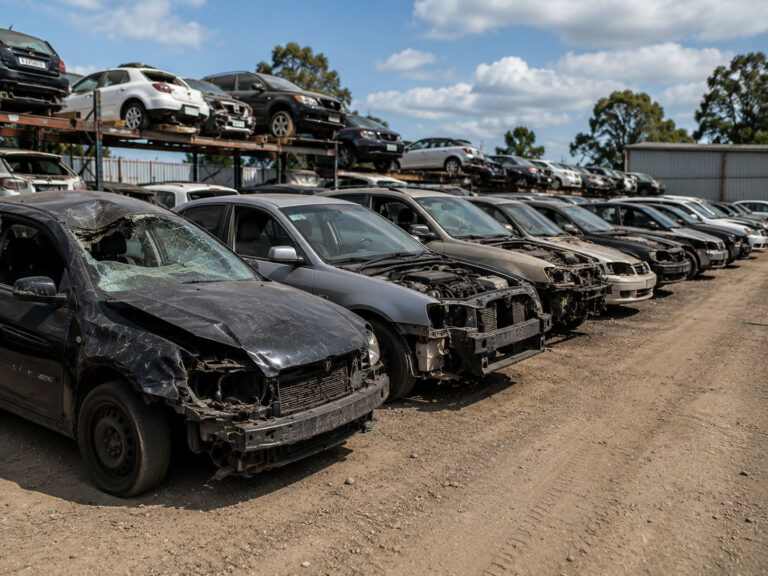
What To Prepare Before Collection
Preparing the vehicle beforehand helps make collection more efficient.
Before the scheduled collection:
- Remove personal belongings from all storage areas
- Remove toll tags, permits, documents, and access devices
- Remove number plates where required
- Locate available keys
- Gather relevant ownership and identification information
- Advise us of missing components or undisclosed damage
- Clear reasonable access around the vehicle where possible
Do not attempt to drain fuel, oil, coolant, brake fluid, or other vehicle fluids. These materials require suitable equipment and controlled handling.
An Integrated Recycling Operation
Burton Wreckers combines vehicle acquisition, collection, dismantling, recycling, and used parts recovery within one operation in Burton.
This integrated approach allows every vehicle to be assessed according to its condition. Reusable components, recyclable materials, and items requiring specialist handling are managed through one coordinated process from collection to final processing.
Customers can expect:
- Practical vehicle assessment
- Clear collection requirements
- Professional dismantling
- Responsible material recovery
- Appropriate waste handling
- Clear communication throughout the service

Frequently Asked Questions
Find answers to common questions about vehicle eligibility, collection, assessments, paperwork, and what to expect throughout the car recycling process.
What Types Of Vehicles Can Be Recycled?
Old, damaged, non-running, accident-affected, unregistered, and end-of-life vehicles may be suitable. Acceptance depends on condition, completeness, location, ownership information, and collection requirements.
Do You Provide Vehicle Recycling Across Adelaide?
Yes. Burton Wreckers services Adelaide and surrounding locations within its operational coverage.
Can You Collect A Car That Does Not Run?
Yes. Let us know whether the vehicle rolls, steers, has all wheels attached, and can be accessed safely.
Can An Accident-Damaged Car Be Recycled?
Yes. Accident-damaged vehicles may still contain recoverable parts and recyclable materials. Significant structural damage should be disclosed before collection.
Do I Need To Drain The Vehicle Fluids?
No. Vehicle fluids should remain in place until they can be handled safely during dismantling.
What Information Is Needed For An Assessment?
Provide the make, model, approximate year, condition, location, major damage, missing components, and whether the vehicle starts, rolls, and steers.
What Ownership Documents Are Required?
Requirements vary depending on the vehicle and circumstances. These can be confirmed during your enquiry.
Will I Be Paid For The Vehicle?
If the vehicle has commercial value, this will be determined during the assessment. Any offer depends on its condition, completeness, location, and recoverable materials.
What Happens To Reusable Components?
Suitable parts may be recovered for reuse, while the remaining vehicle is recycled or disposed of responsibly.
How Quickly Can Collection Be Arranged?
Collection timeframes depend on location, accessibility, vehicle condition, and scheduling availability.