Nissan Wreckers Adelaide
- Licensed Vehicle Recycler
- Professional Nissan Dismantling
- Vehicle And Parts Enquiries
Sell an unwanted Nissan or enquire about inspected recycled parts through a licensed South Australian vehicle recycler.
Get a Free QuotePractical Options For Unwanted Nissan Vehicles
Burton Wreckers is a licensed South Australian vehicle recycler that helps Adelaide vehicle owners dispose of unwanted Nissan vehicles and source quality recycled parts.
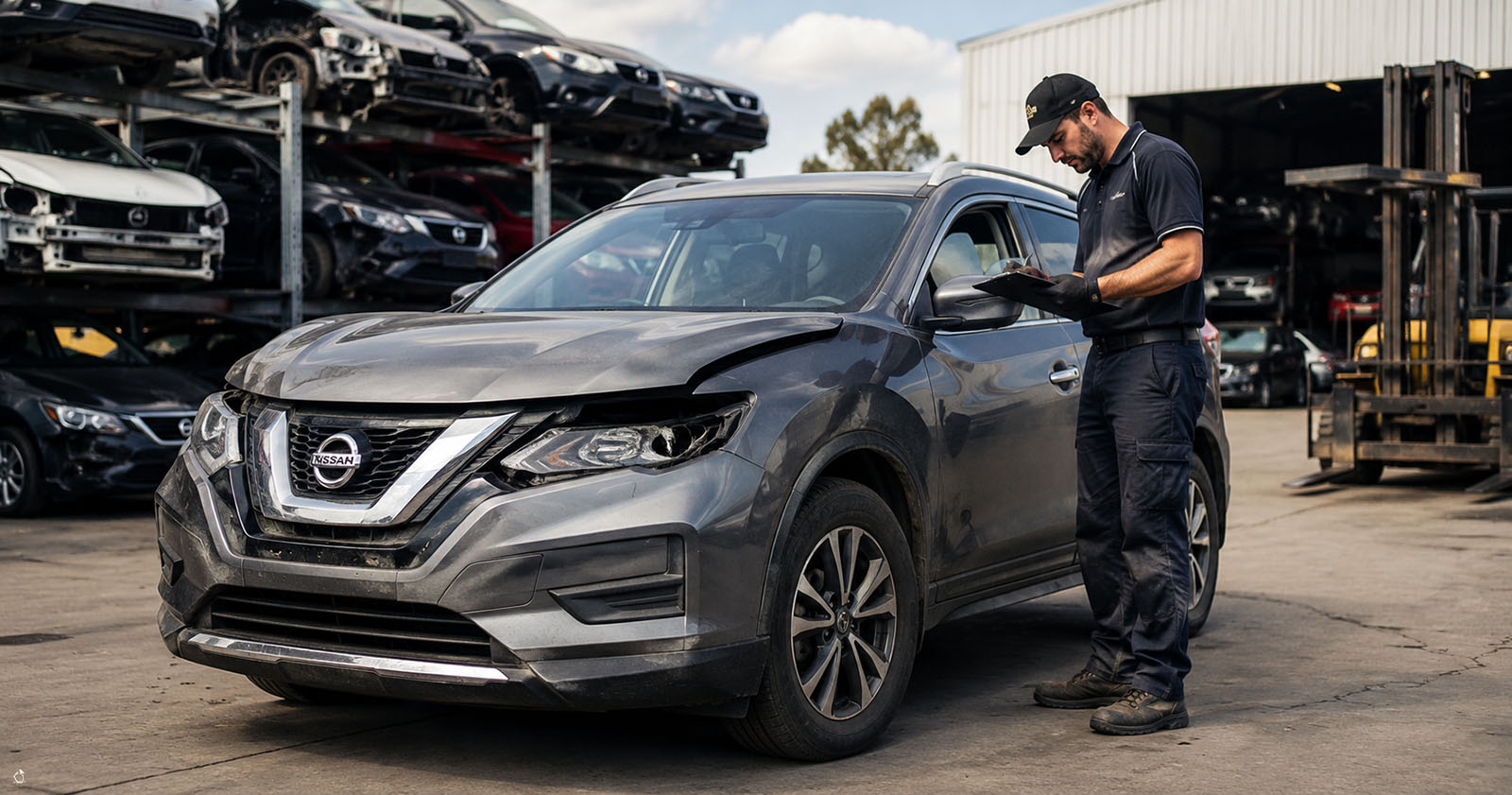
We dismantle damaged, non-running, unregistered and end-of-life Nissan vehicles, assessing each one for reusable components and recyclable materials.
Whether you’re selling an unwanted Nissan or searching for a replacement part, our team provides practical guidance and a straightforward enquiry process.
When A Nissan May Be Suitable For Wrecking
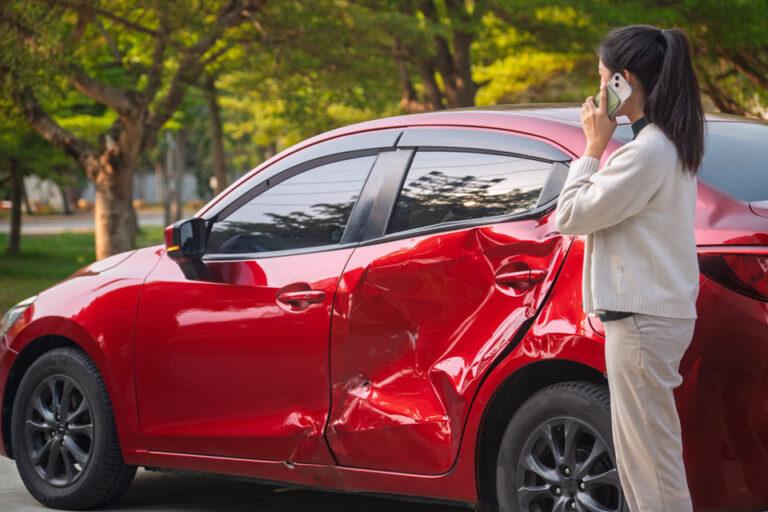
A Nissan does not need to be running, registered or roadworthy to be considered.
Common situations include:
- Major engine or transmission failure
- Accident or structural damage
- Ongoing mechanical or electrical faults
- Repair costs that exceed the vehicle’s practical value
- Expired registration
- Long-term storage
- Missing or damaged components
- Vehicles no longer required by an owner, estate or property manager
Passenger cars, SUVs, utes, vans and light commercial vehicles may be assessed. Eligibility depends on condition, completeness, location and access.
To sell an unwanted Nissan, provide the model, year, condition and collection location. Accurate details support a clearer initial assessment.
Nissan Dismantling And Parts Recovery
Nissan vehicles can retain usable mechanical, electrical, body and interior components after the complete vehicle reaches the end of its service life.
Professional dismantling allows suitable parts to be identified and removed before remaining materials are recycled. Recoverable components may include:
- Engines and related components
- Transmissions and driveline parts
- Alternators and starter motors
- Steering and suspension components
- Doors, guards, bonnets and mirrors
- Headlights and tail lights
- Interior fittings, switches and controls
- Wheels and selected braking components
- Cooling and air-conditioning parts
- Electrical modules and wiring components
Not every removed part is suitable for resale. Components must be correctly identified and assessed before being offered for reuse.
After parts recovery, remaining metals and recyclable materials move through the broader vehicle recycling process.
Used Nissan Auto Parts
Used Nissan auto parts can be a practical option when new components are expensive, difficult to source or unnecessary for the vehicle’s age and intended use.
Burton Wreckers assists:
- Private vehicle owners
- DIY mechanics
- Mechanical workshops
- Panel beaters
- Automotive repair businesses
- Trade customers
Availability changes as vehicles enter the yard and dismantling progresses. For an accurate parts check, provide:
- Nissan model and series
- Model year
- Engine size or code
- Transmission type
- Body type
- Required component
- Part number, where available
- VIN, where compatibility is uncertain
- A clear photo of the existing part, where useful
Differences between model years, engines and trim levels can affect compatibility. Complete information helps avoid matching parts by appearance alone.
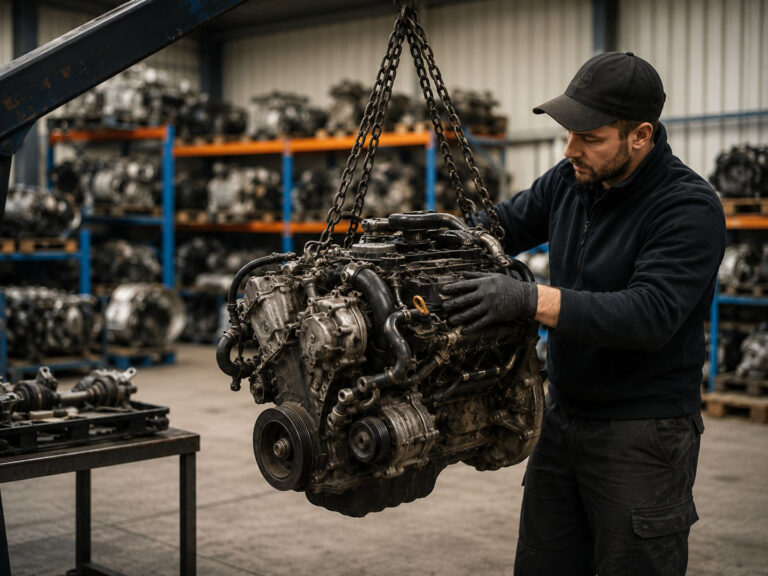
Nissan Vehicles We Can Assess
Burton Wreckers considers a broad range of Nissan vehicles, including:
- Hatchbacks
- Sedans
- Coupes
- SUVs and four-wheel drives
- Utes
- Vans
- Light commercial vehicles
- Running and non-running vehicles
- Accident-damaged vehicles
- Incomplete vehicles
Vehicle age alone does not determine eligibility. Condition, recoverable parts, recyclable material, missing components and collection requirements also influence assessment.
Disclose major damage, removed parts, locked wheels or restricted access when enquiring. This helps establish realistic collection and handling requirements from the outset.
Why Use A Licensed Nissan Wrecker
A licensed vehicle recycler provides a defined process for vehicle acquisition, dismantling, parts recovery and material recycling.
Burton Wreckers manages:
- Vehicle assessment
- Purchasing and collection coordination
- Professional dismantling
- Reusable parts identification
- Material separation
- Recycling of the remaining vehicle
This end-to-end approach gives customers one point of contact and clearer expectations around vehicle eligibility, collection, parts availability and recycling.
Acceptance, pricing and stock availability are confirmed from the details of each enquiry rather than the make or model alone.
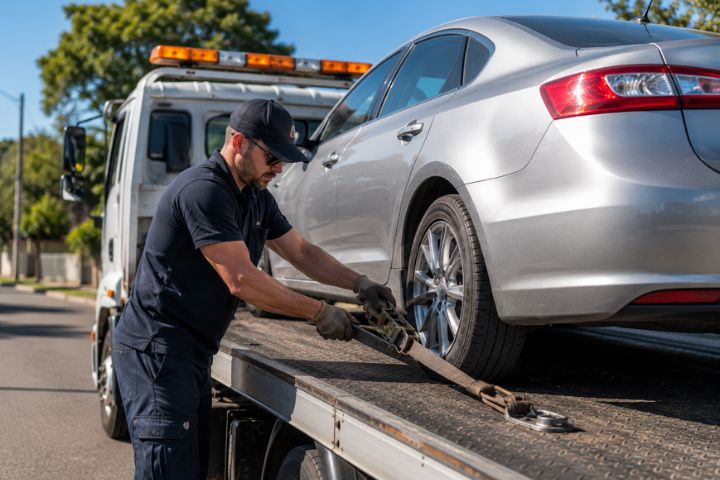
Selling An Unwanted Nissan
Start with the vehicle’s make, model, year, condition and location. The team may also ask about:
- Registration status
- Mechanical faults
- Accident damage
- Missing components
- Whether the vehicle rolls and steers
- Access for collection
- Proof of ownership or required paperwork
These details help determine whether the Nissan can be purchased and what collection arrangements may apply.
Vehicle valuation is handled through the Cash For Cars service. Where collection is required, access and transport are confirmed through the Car Removal service.

Finding A Nissan Part
Parts enquiries should identify both the vehicle and the exact component required. A general request such as “Nissan gearbox” may not be enough because compatibility can vary by model, engine and production year.
Useful identifiers include:
- Full model designation
- Build year
- Engine code
- Transmission type
- Part number
- VIN
- Photos of plugs, mounting points or labels
The team can then check current dismantling stock for a potentially suitable component.
Stock changes regularly, so a direct enquiry provides the clearest current answer.
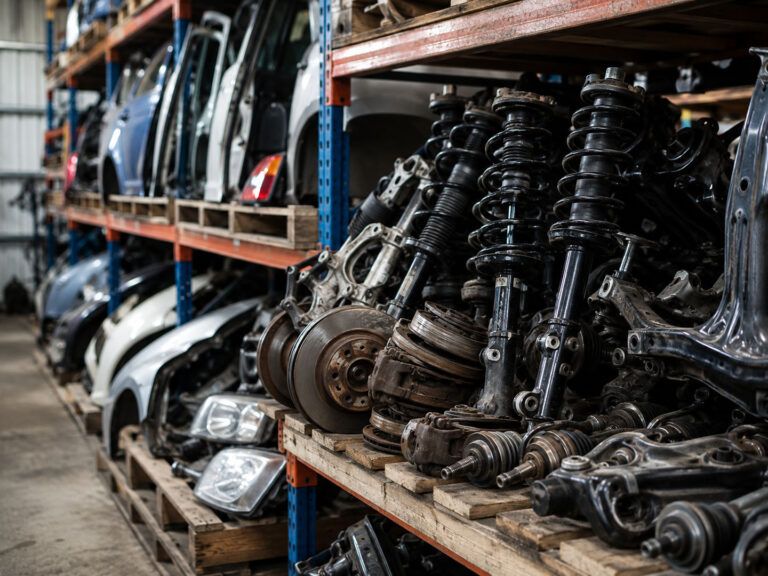
Frequently Asked Questions
Find answers to common questions about Nissan vehicle wrecking, recycled parts, vehicle eligibility and what to expect when enquiring with Burton Wreckers.
Do You Accept Non-Running Nissan Vehicles?
Non-running Nissan vehicles may be accepted. Eligibility depends on condition, completeness, location, access and recycling potential.
Can I Sell An Accident-Damaged Nissan?
Accident-damaged vehicles may qualify. Describe the damage, whether the vehicle rolls and whether major components have been removed.
Do You Buy Unregistered Nissan Vehicles?
Unregistered Nissan vehicles may be considered. Ownership information and collection requirements must be confirmed before the process progresses.
Do You Supply Used Nissan Auto Parts?
Yes, when suitable components are available. Stock depends on the Nissan vehicles currently being dismantled and the condition of recovered parts.
Which Nissan Models Do You Wreck?
Burton Wreckers assesses a range of Nissan passenger, SUV, ute, van and light commercial models. Contact the team with the specific model and year.
How Do I Check Whether A Part Will Fit?
Provide the model, year, engine, transmission, part number and VIN where relevant. Photos can also help identify connectors, mounting points and physical variations.
Can You Collect A Nissan That Does Not Drive?
Collection may be possible. The team will need to know whether the vehicle rolls, steers, has accessible wheels and can be reached safely.
How Is The Vehicle Assessed?
Assessment considers condition, completeness, recoverable components, recyclable materials, location and collection requirements. Pricing is addressed through the vehicle purchasing process.