
Yes, used car parts can be reliable, but it depends on the individual component, its condition, and how it has been dismantled, handled, and assessed.
Being second-hand does not automatically make a part unreliable. However, used components can differ significantly in wear and condition. The practical approach is to assess the specific part and consider the standards of the supplier behind it.
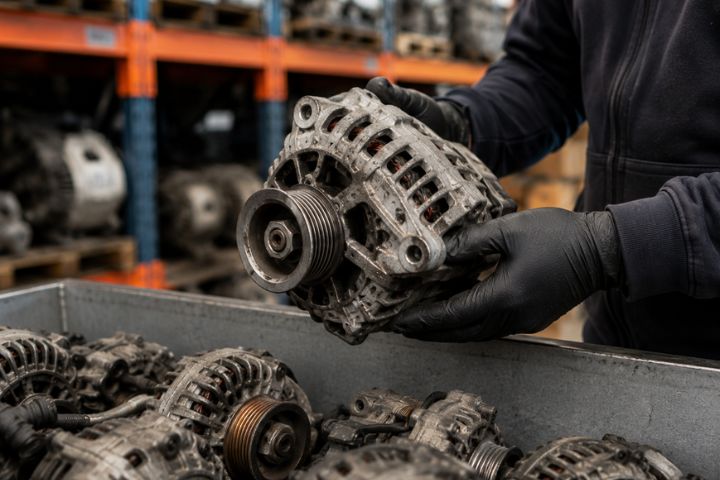
What Makes A Used Car Part Reliable?
Two identical components from similar vehicles can have different histories, wear levels, and conditions.
When considering second-hand parts quality, several factors matter:
- Current condition: Damage, deterioration, or excessive wear can affect whether a component remains suitable.
- Previous use: Parts can experience different operating conditions and levels of use.
- Dismantling: Careful removal helps prevent unnecessary damage to the component, connections, and mounting points.
- Handling and storage: Appropriate handling helps protect a part between removal and resale.
- Inspection: Assessment before sale can identify condition issues and help determine suitability for reuse.
- Correct application: A serviceable component still needs to be suitable for the vehicle it will be fitted to.
For these reasons, recycled parts reliability should be assessed component by component, rather than making assumptions based simply on whether a part is new or used.
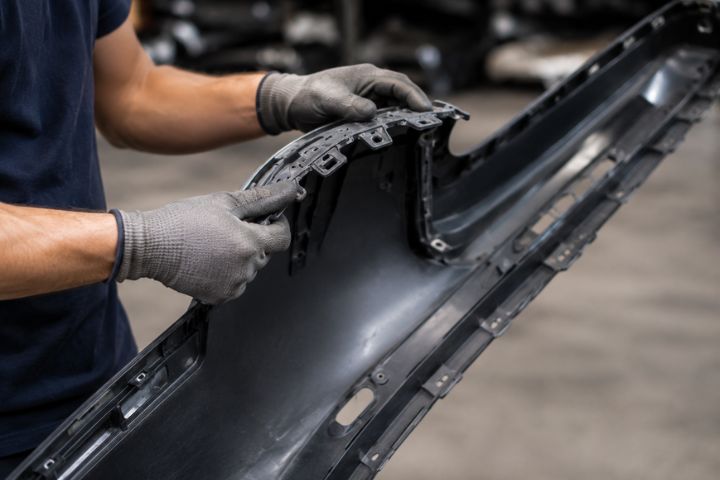
Why Professional Dismantling And Handling Matter
A recycled part’s condition can be affected by what happens after the donor vehicle reaches the wrecking yard.
Poor dismantling can damage an otherwise reusable component, including its connections or mounting points. Appropriate handling and storage also help protect parts before resale.
Burton Wreckers operates as a licensed South Australian vehicle recycler, with professional dismantling and inspected used parts forming part of its recycling operation.
For buyers, this means reliability involves more than a part’s age. Removal, handling and assessment also matter.
Are Some Used Parts More Suitable Than Others?
Used car parts should not be treated as one category with a single level of reliability.
Different components experience different forms of use and wear. Condition can also vary according to the vehicle they came from and its operating history.
Visible condition can provide useful information, but appearance alone cannot establish everything about a part or its remaining service life. Likewise, previous use does not automatically make a component unsuitable.
The more useful question is: Is this specific part in suitable condition for its intended application?
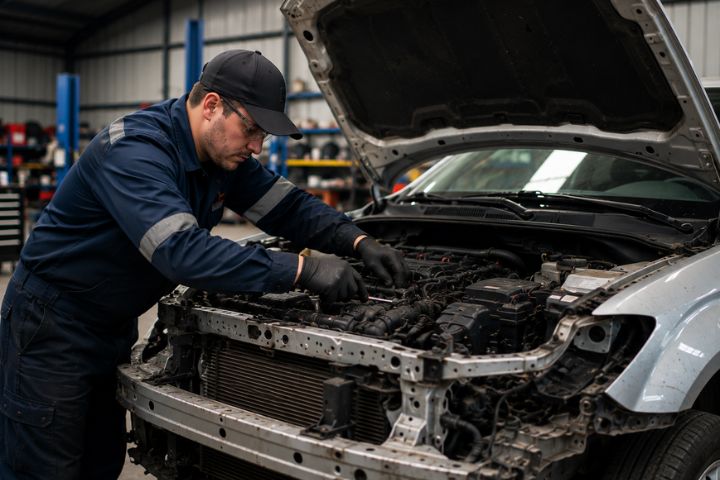
How Can You Assess A Used Part Before Buying?
A practical assessment starts with identifying the correct component and understanding what information is available about it.
Confirm Exactly What Part You Need
Make and model are useful starting points, but similar vehicles can use different components.
Provide accurate vehicle and part information when checking availability. Do not assume a component is compatible simply because it looks similar or came from the same model range.
Ask About The Part’s Condition
Find out what is known about the component. Depending on the part, physical damage, deterioration, or excessive wear may affect its suitability.
Where information cannot be established, assumptions about condition should not be treated as certainty.
Look Beyond Appearance
Visual condition is useful, but limited.
A clean-looking component is not automatically reliable, while normal signs of previous use do not necessarily make a part unsuitable. Appearance should be one part of the assessment, not the entire test.
Ask Whether The Part Has Been Inspected
Inspection can provide useful context about a recycled component.
Assessment methods vary between parts, so not every component can be evaluated in exactly the same way. Where inspection information is available, it can help you understand how the part’s condition was considered before sale.
Detailed inspection and quality-assurance guidance belongs within the dedicated used-parts quality information rather than the broader reliability question.
Check The Purchase Conditions
Warranty, return and exchange conditions are worth checking before purchase.
These policies do not establish how long a component will remain serviceable. Instead, they explain the conditions that apply to the purchase if an issue arises.
Why The Supplier Matters
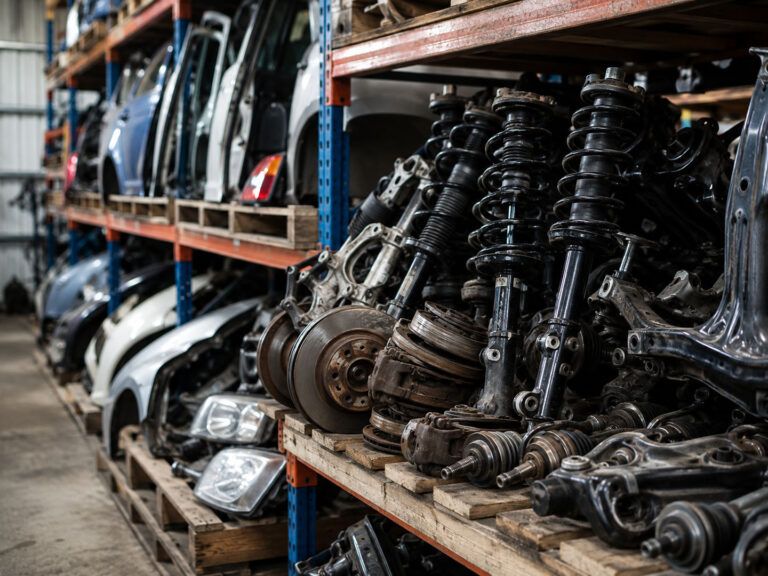
Buying a used component also means relying on the processes behind its removal and supply.
Consider whether the supplier can clearly identify the component, communicate available condition information, and explain relevant purchase conditions. Professional dismantling, handling, and inspection practices provide additional context when assessing a recycled part.
Burton Wreckers combines vehicle acquisition, dismantling, recycling, and used-parts supply within the same operation.
Price is still a consideration, but it should not be the only one. Compare condition, suitability, available information, and the processes behind the part.
What About Quality, Warranties And Returns?
These factors can increase purchase confidence, but each addresses a different issue.
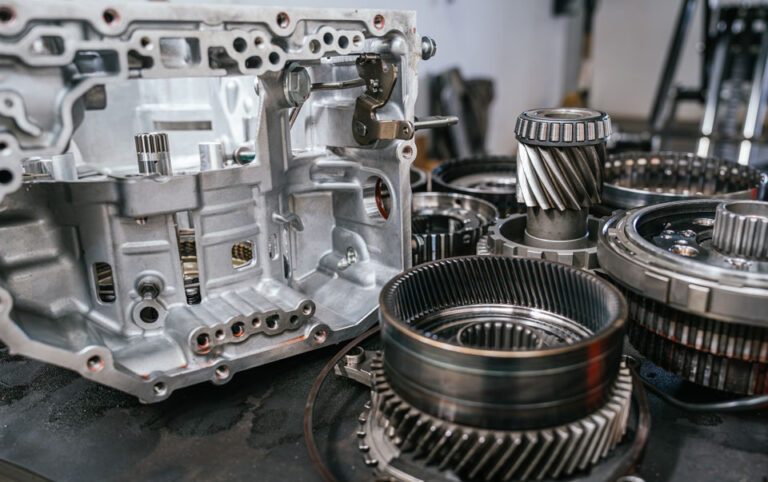
Part quality concerns the condition and suitability of the component. Detailed inspection and quality-assurance information should be considered separately when assessing second-hand parts.
A warranty defines applicable protections and conditions. It does not promise a specific service life.
Returns and exchanges determine what options may apply after purchase. Check the relevant conditions rather than assuming every used part can be returned or exchanged.
Keeping these topics separate prevents purchase policies from being mistaken for evidence of physical reliability.
Common Misconceptions About Used Car Part Reliability
Several common assumptions can make used parts harder to assess objectively:
- Used means unreliable: Previous use alone does not determine whether a component remains suitable.
- If it looks good, it must be reliable: Appearance cannot reveal every factor affecting condition or remaining service life.
- All used parts are basically the same: Components can have different histories, wear levels, and conditions.
- A higher price means greater reliability: Price does not replace an assessment of condition and suitability.
- A warranty guarantees reliability: Warranty terms provide purchase protection, not a guaranteed component lifespan.
Assess the individual component and the information available about it, rather than relying on broad assumptions about recycled parts.
Frequently Asked Questions About Used Part Reliability
These common questions address what buyers should consider when assessing the reliability, condition and suitability of used car parts.
How Long Can A Used Car Part Last?
There is no single lifespan for every used car part. Remaining service life can depend on the component, previous use, existing wear, current condition, and conditions after installation.
Be cautious about lifespan claims that do not account for the individual component.
How Do I Know If A Second-Hand Part Is In Good Condition?
Consider available condition information, relevant signs of damage or wear, and how the part was assessed before sale.
The appropriate quality assessment varies between components, so detailed used-parts quality guidance should be considered separately.
Does A Warranty Mean A Used Part Is Reliable?
Not necessarily. Warranty conditions and physical reliability are separate considerations.
A warranty defines applicable protections and conditions. It does not establish the exact remaining lifespan of a component.
Can I Return A Used Part If It Is Not Suitable?
That depends on the applicable return and exchange conditions. Check the relevant terms before purchasing rather than assuming a used component can automatically be returned.
How Do I Find The Right Used Part For My Vehicle?
Start with accurate vehicle and component information. Compatibility can involve more than make and model, so provide the relevant details when checking whether a part is available and suitable.
If you already know what component you need, a part availability enquiry is the appropriate next step.
Looking For A Used Car Part?
Used parts can be a practical option when you consider the specific component, its condition, suitability, and source.
Burton Wreckers supplies inspected used auto parts through its South Australian vehicle recycling operation. Customers can explore the used auto parts offering or provide their vehicle and component details to find a part.